
Over the past few decades, gaming has undergone a transformation unlike any other form of entertainment. What once began with pixelated characters on a small screen, displayed on a bulky console in the living room, has now expanded into a global, mobile experience, reaching millions through smartphones. This raises an important question: as the mobile gaming industry continues to grow, is the future of gaming truly in our pockets, or does the console still hold the crown?
In this article, we will explore the ongoing battle between mobile gaming and console gaming, examining factors such as convenience, gaming experiences, market trends, and the cultural shift in how people engage with video games.
1. The Evolution of Gaming: From Consoles to Mobile
The story of gaming begins in the late 20th century when home consoles like the Nintendo Entertainment System (NES) and Sega Genesis took the world by storm. These machines offered immersive experiences that were previously unheard of, and they quickly became a staple in households across the globe.
However, as technology advanced, the limitations of consoles became apparent. While consoles could deliver incredible graphics and gameplay, they were stationary, expensive, and required a TV screen to function. The rise of mobile phones, particularly smartphones, started to pose a challenge. Mobile phones were once used for simple tasks like calling and texting, but they rapidly evolved into multi-functional devices that could play games anywhere and anytime.
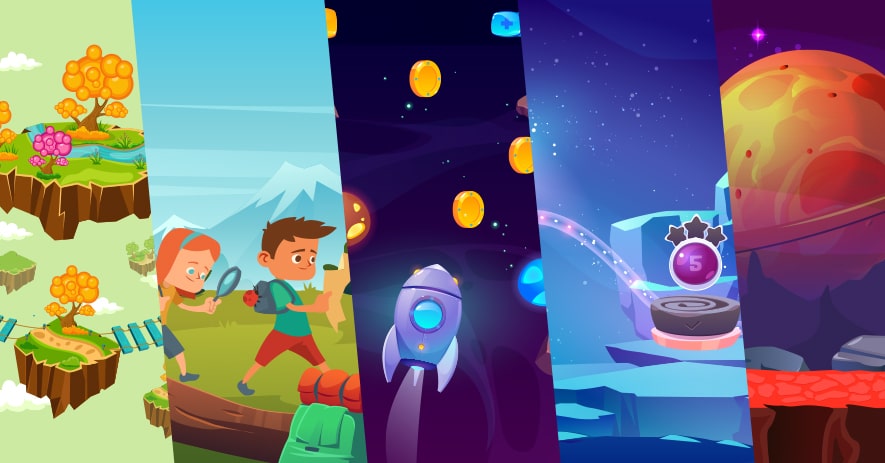
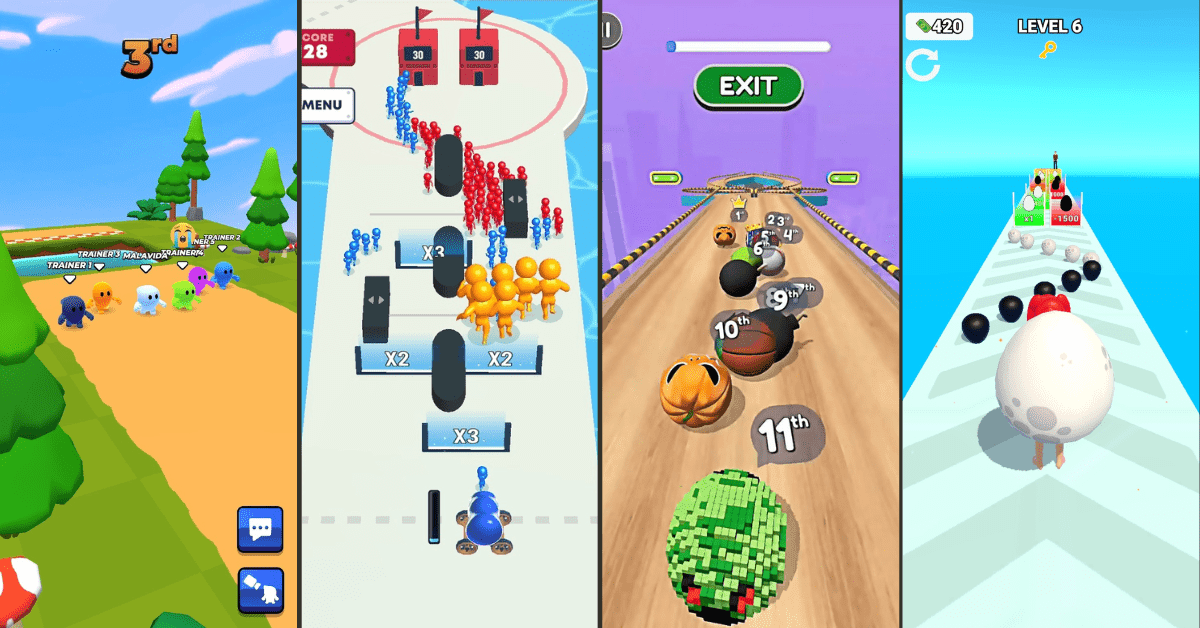
The release of games like Angry Birds and Candy Crush Saga marked a turning point in mobile gaming. These casual games reached millions, and the accessibility of smartphones meant that nearly everyone had the potential to become a gamer. The mobile gaming industry had begun its rapid ascent, sparking a revolution in how games were developed, marketed, and played.
2. The Advantages of Mobile Gaming
There’s no denying that mobile gaming has seen exponential growth in the past decade. A few reasons contribute to the rise of mobile games and their increasing dominance in the gaming world.
a. Accessibility and Convenience
Perhaps the most obvious advantage of mobile gaming is its unparalleled convenience. With smartphones being an essential part of everyday life, gamers can play virtually anywhere—during a commute, while waiting in line, or even on a break at work. The portability of mobile gaming means that players are no longer tethered to their living rooms, allowing for gaming sessions that fit seamlessly into the daily routine.
Mobile games are also available at the touch of a button. With app stores like Google Play and the Apple App Store, games can be downloaded in seconds, eliminating the need for physical discs, lengthy downloads, or hardware upgrades. This ease of access has made mobile gaming the go-to choice for casual gamers and those seeking quick entertainment.
b. Affordable Options
Console gaming, while incredibly immersive, can be an expensive hobby. The price of consoles like the PlayStation 5 or Xbox Series X can range from $400 to $500, and the games themselves can cost $60 or more. Additionally, players often need to subscribe to online services like Xbox Live or PlayStation Plus to play multiplayer games.
Mobile gaming, on the other hand, provides a more affordable entry point. Many mobile games are free-to-play, with optional in-app purchases or ads that help developers monetize their work. Even premium games on mobile tend to be more affordable than their console counterparts. This affordability has played a significant role in the growth of the mobile gaming market, allowing people from various socioeconomic backgrounds to participate.
c. Vast Game Library
Mobile games offer a staggering variety of titles, from casual puzzle games to complex strategy games and even multiplayer online battle arenas (MOBAs). The ability to play games of all genres, with new releases and updates arriving frequently, makes mobile gaming an exciting and diverse platform for gamers. Whether you’re into fast-paced action or relaxing simulations, mobile gaming offers something for everyone.
Furthermore, mobile games have started to evolve, with several games featuring sophisticated graphics and complex mechanics that were once reserved for consoles. Titles like Genshin Impact and PUBG Mobile are proof that mobile platforms are capable of delivering AAA-quality experiences.
3. The Appeal of Console Gaming
Despite the rise of mobile gaming, consoles remain a dominant force in the gaming industry. While mobile gaming continues to attract millions of players, consoles continue to provide experiences that smartphones simply cannot match.
a. Superior Graphics and Performance
Consoles, especially next-gen models like the PlayStation 5 and Xbox Series X, deliver stunning visuals and smooth gameplay that mobile phones, no matter how advanced, cannot replicate. High-definition graphics, realistic physics, and complex animations are standard on consoles, offering players a level of immersion that is hard to match on mobile platforms.
Additionally, consoles are built specifically for gaming. The hardware is optimized for performance, ensuring that games run at high frame rates and resolution. Mobile phones, on the other hand, must balance gaming performance with other tasks, such as managing calls, messages, and apps in the background.
b. Immersive Gameplay and Control
One of the key advantages of console gaming is the physical controller. While touchscreens are convenient, they are no substitute for the tactile feedback and precision that a controller provides. Whether it’s the responsive triggers on the Xbox controller or the adaptive haptic feedback on the PlayStation 5 DualSense, consoles offer a level of control and immersion that mobile devices can’t match.
Moreover, many console games are designed to take full advantage of the power of dedicated hardware. These games often feature expansive worlds, intricate storytelling, and deep mechanics that are difficult to replicate on mobile platforms, which are typically limited by processing power and touchscreen controls.
c. Multiplayer and Social Experience
Console gaming is often associated with a more social, shared gaming experience. Whether it’s couch co-op or online multiplayer, consoles tend to have a stronger focus on community play. Games like Call of Duty, FIFA, and Fortnite allow players to team up with friends or face off against competitors in a way that feels more personal and engaging compared to mobile gaming.
Although mobile games have introduced multiplayer features, the experience is often more fragmented. While you can play games with friends on mobile, it’s not quite the same as sitting down with them in the same room or enjoying a synchronized gaming session with a controller in hand.
4. The Market Landscape: Who Is Winning the Battle?
From a financial standpoint, mobile gaming has seen remarkable growth. According to Newzoo’s Global Games Market Report, mobile gaming generated over $90 billion in revenue in 2020, surpassing both console and PC gaming in terms of earnings. This statistic highlights the immense popularity of mobile games and their appeal to a broad audience.
However, console gaming still commands a sizable portion of the market. Despite the rapid rise of mobile gaming, sales of consoles like the PlayStation 5, Xbox Series X, and Nintendo Switch continue to soar. The console market appeals to hardcore gamers who crave the ultimate gaming experience and are willing to invest in high-end hardware.
Mobile gaming attracts a more diverse and casual audience, with a significant portion of players engaging in games like Candy Crush or Clash of Clans for short bursts of entertainment. In contrast, console gaming often caters to more dedicated gamers who are looking for longer, more immersive experiences.
5. The Future of Gaming: What’s Next?
The future of gaming will likely see a continued convergence of both mobile and console platforms. As mobile devices become more powerful, it’s not inconceivable that they could one day match the performance of consoles. For example, cloud gaming services like Xbox Cloud Gaming (formerly Project xCloud) are already allowing players to stream console-quality games on their smartphones.
Additionally, advancements in augmented reality (AR) and virtual reality (VR) are likely to play a significant role in the evolution of gaming. While both AR and VR have made strides in console gaming, mobile devices are beginning to explore these technologies as well. As these technologies mature, gaming could become even more immersive, blending the best aspects of both mobile and console gaming.
Conclusion: Which Platform Holds the Future?
The question of whether the future of gaming is truly in your pocket is not easily answered. Mobile gaming is undeniably on the rise, offering convenience, affordability, and accessibility to millions of players worldwide. However, console gaming continues to provide experiences that are unrivaled in terms of performance, graphics, and immersion.
Ultimately, the future of gaming is likely to be multi-faceted, with mobile and console platforms coexisting, each serving different types of gamers. Mobile gaming will continue to thrive as a casual, accessible option, while consoles will remain the preferred platform for those seeking deep, high-quality gaming experiences. Whether you’re a casual gamer or a hardcore enthusiast, the future of gaming is incredibly exciting, and it’s up to you to decide where your journey will take you.